The Art of Glass Packaging: Enhancing Your Brand Using Premium Glass Bottles
The art of glass packaging presents brands with a unique avenue for differentiation. Through sustainable practices, glass bottles not only enhance visual appeal but also align with eco-conscious consumer values. Their inherent qualities, such as recyclability and chemical inertness, demonstrate a steadfast commitment to excellence. As organizations traverse this shifting terrain, comprehending the wide-ranging benefits and complexities of glass packaging proves vital for enduring achievement. How are brands leveraging creative approaches to capitalize on these benefits?
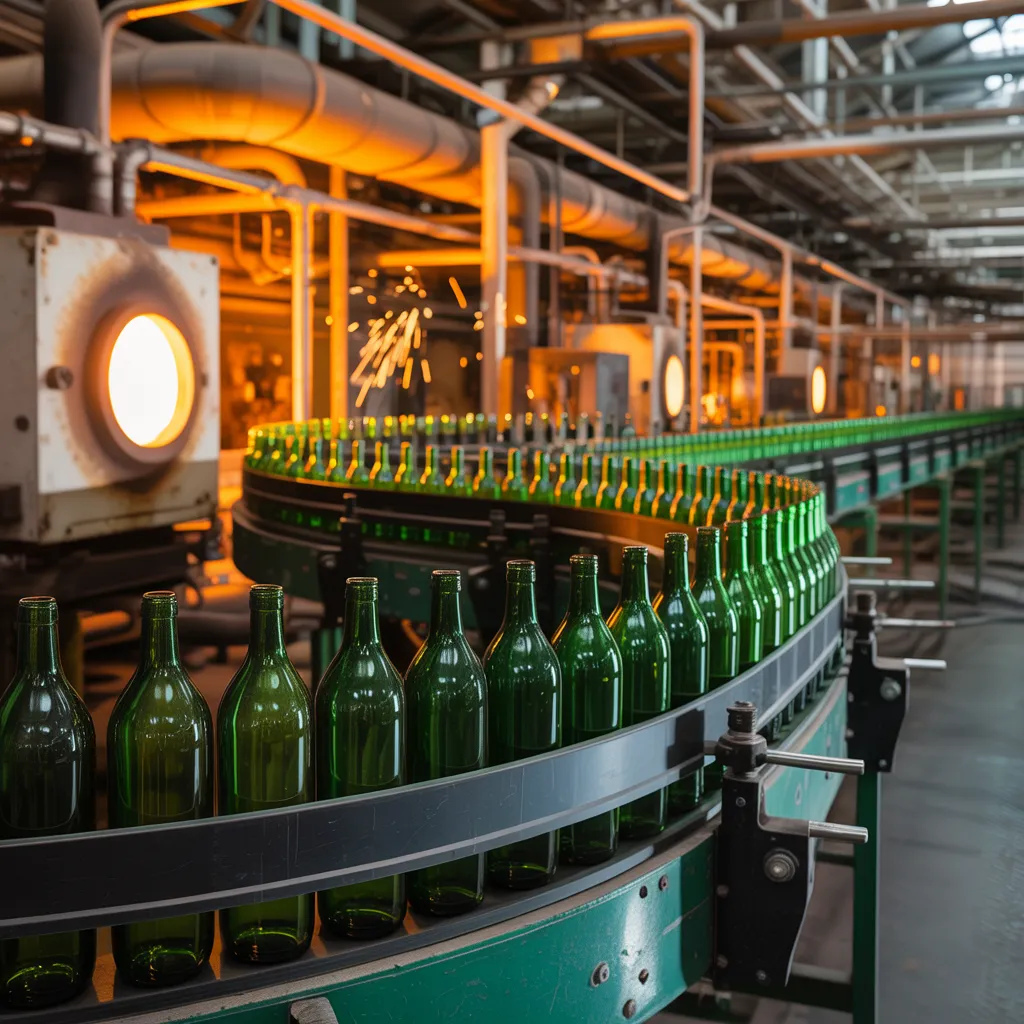
Why Choose Glass Packaging for Your Brand
Opting for glass packaging can greatly enhance a brand's reputation and eco-friendly commitments. Companies that choose glass packaging demonstrate a pledge to superior standards and exceptional product encounters, attracting selective buyers who appreciate aesthetic and functional attributes. Glass provides a enduring and sophisticated look, contributing to a brand's visual identity while delivering a physical interaction that plastic cannot match.
Moreover, glass packaging communicates a feeling of purity and safety, as it is absent of harmful chemicals often found in plastics. This decision can appeal to eco-aware shoppers who identify glass with sustainable behavior. Moreover, its resilience permits repeated utilization, thus solidifying a brand's pledge to environmental responsibility.
In a market growing more conscious of environmental impact, choosing glass packaging can set a brand apart building lasting loyalty and boosting customer confidence. In the end, this calculated move positions brands as leaders in eco-conscious innovation and quality, resonating with the values of today's consumers.
The Environmental Benefits of Glass Bottles
Glass containers provide significant ecological advantages that set them apart from competing packaging solutions. Glass bottles are completely recyclable, promoting a sustainable economy where resources can be continuously repurposed without compromising quality. This quality greatly reduces the reliance on new materials, thus reducing material extraction and energy expenditure associated with the production process.
Furthermore, glass packaging is non-reactive, meaning it does not release toxic substances into its stored materials, ensuring more secure consumption. As opposed to plastic, glass does not add to microplastic pollution, which is a growing environmental concern.
The production of glass bottles also generates lower greenhouse gas emissions when compared to plastic. Thanks to innovations in manufacturing processes, energy efficiency has improved, additionally minimizing the environmental impact associated with producing glass.
Innovative Designs That Enhance Glass Packaging
Creative designs in glass vessels are reshaping how items are presented. Original silhouettes and configurations not only enhance functionality but also attract consumer attention. Furthermore, vibrant color schemes further boost the overall appearance, making glass vessels rise above the competition on display.
Remarkable Shapes and Structures
Innovative approaches in glass-based packaging not only boost visual impact but also serve a critical function in setting brands apart. Distinctive forms and designs can generate lasting impressions on consumers, enabling products to capture attention on packed product displays. For example, bottles with asymmetrical shapes or geometric patterns can evoke curiosity and encourage interaction. These original shapes often reflect a brand's personality, solidifying its brand narrative and ideals. Moreover, distinctive structures can elevate performance, such as easier handling or enhanced pouring. Companies that prioritize innovative glass packaging signal commitment to quality and sustainability, appealing to sustainability-minded customers. Through emphasizing creativity in their packaging choices, organizations can develop more profound ties with their target market, in turn promoting long-term loyalty and broadening their market reach.
Captivating Color Palettes
Rich color combinations are fundamental in improving glass container aesthetics, turning everyday bottles into striking visual declarations. By utilizing a deliberate combination of shades, businesses can inspire sentiment and deliver unforgettable moments for buyers. Vivid hues can communicate exceptional value, as more subdued tones often suggest grace and distinction.
Additionally, the incorporation of gradient and multi-tone aesthetics creates depth and visual interest, drawing attention on crowded shelves. Sustainability-driven practices further elevate the attractiveness; environmentally responsible dyes and finishes connect with mindful consumers. In the end, the right color palette not only captures a brand's essence but also underscores its pledge to sustainability, making glass packaging a powerful tool for differentiation in a competitive market.
What Role Does Glass Packaging Play in Enhancing Product Perception?
Glass packaging significantly elevates the perception of products via its upscale feel and visual appeal, instilling a sense of elegance in consumers. The inherent transparency and optical clarity of glass offer consumers an unrestricted look at the product, further reinforcing quality. Additionally, using glass aligns with eco-friendly brand positioning, appealing to environmentally conscious consumers.
Outstanding Feel And Appeal
The use of glass packaging considerably boosts the recognized quality of a product, often associating it with quality and sophistication. Consumers frequently associate glass with high-end appeal, resulting in stronger brand dedication and positive consumer experiences. The physical feel of glass, with its sleek finish and substance, contributes to a luxurious sensation that plastic fails to reproduce. This experiential connection establishes a bond between the product and the consumer, cultivating a sense of excellence. Additionally, glass packaging reflects a focus on sustainability, resonating with environmentally-conscious buyers. Therefore, businesses employing glass containers can establish themselves as higher-end alternatives within their markets, drawing selective buyers who appreciate both style and sustainability in their purchasing decisions.
Visual Transparency And Clarity
When consumers encounter products in glass containers, their perception is often enhanced by the intrinsic visual see-through quality it delivers. This clarity permits interested shoppers to observe the item inside, building a feeling of confidence and genuineness. The see-through nature of glass not only reveals the product's caliber but also accentuates its color and feel, elevating the overall visual experience. Moreover, the removal of labeling interference on clear glass enables the product to stand at the forefront, creating a more engaging shopping experience. Glass vessels can uplift brand standing by expressing a devotion to quality and skill. This see-through quality ultimately guides customer determinations, fostering a stronger sentimental bond with the product and the company.
Eco-Friendly Brand Positioning
Sustainability-focused brands leverage glass packaging to strengthen their dedication to eco-friendly practices, effectively enhancing product perception. Glass projects an image of quality and authenticity, setting a higher standard compared to plastic alternatives. This substance not only underscores the green values of a brand but also appeals to consumers who prioritize environmentally responsible choices. The sensory quality of glass—its density and surface—further amplifies the perceived premium nature of the product. Furthermore, the recyclable nature of glass corresponds with the increasing consumer appetite for sustainable habits, strengthening consumer allegiance. By opting for glass, brands not only demonstrate their commitment to ecological responsibility but also position their products as premium offerings, thus building a favorable reputation in a crowded market.
Examples of Brands Thriving With Glass Packaging
A growing number of businesses are succeeding by adopting glass packaging, demonstrating its appeal to consumers and commitment to sustainability. For instance, a leading beverage company transitioned to glass bottles, resulting in a 30% boost in sales within a year. The transition not only improved product visibility on shelves but also connected with eco-conscious consumers, reinforcing the brand's sustainability message.
One other beauty label successfully changed to glass packaging, greatly elevating its premium image. This transition drew in a loyal explore the details customer base who appreciates both aesthetics and environmental responsibility. Additionally, a specialty beer manufacturer embraced reusable glass containers, building brand loyalty while minimizing waste. These real-world cases show that glass solutions not only satisfy customer expectations for sustainable options but also bolsters brand identity and market positioning. Such strategic choices underscore an expanding movement among brands aiming to integrate eco-friendly values into their processes while attracting today's environmentally aware shoppers.
How to Address Challenges in Glass Packaging
Navigating the difficulties of glass packaging demands creative approaches and a deep understanding of the market. Companies often face issues such as high production costs, weight-related challenges, and breakability. To overcome these, organizations can invest in advanced manufacturing techniques that reduce waste and boost structural resilience. Partnering with suppliers to source sustainable resources also reduces ecological footprint while appealing to environmentally conscious consumers.
A further difficulty concerns the complexities of shipping, given glass's weight. Utilizing advanced logistics approaches, including optimized shipping methods and packaging designs, can reduce expenses and ensure product protection while in transit. Moreover, raising consumer awareness regarding glass's superiority over plastic may cultivate customer loyalty and boost market demand. By implementing these methods, companies can surmount challenges in glass packaging and position themselves as leaders in sustainable practices, thereby strengthening their brand reputation and market standing.
The Future of Sustainable Glass Packaging
As the need for eco-friendly packaging keeps growing, the glass packaging industry is on the brink of significant transformation. Advancements in production methods are anticipated to improve energy performance, reducing the carbon footprint associated with glass production. Furthermore, the integration of lightweight glass bottles will establish itself as a major trend, lowering transit emissions while upholding product standards.
Recycling initiatives will become more robust, with increased collaboration between industry leaders and civic authorities to improve glass collection and processing. Moreover, the embedding of advanced technology in packaging solutions will allow for greater transparency in the supply chain, empowering companies to highlight their environmental commitments with impact.
Growing consumer demand for sustainable products will further accelerate the creation of tailored, visually appealing designs, blending practicality with aesthetic charm. With sustainability becoming a top priority for brands, the glass packaging industry is poised to transform its strategies, harmonizing with global sustainability targets while fulfilling the needs of an eco-conscious audience.
Frequently Asked Questions
How Do the Costs of Glass Packaging Compare to Those of Plastic?
Glass-based packaging commonly involves increased expenditures due to production, transportation, and recycling processes when compared to plastic alternatives. That said, it offers environmental advantages and improved brand image, which may validate the cost for select businesses.
How Can I Customize Glass Bottles for My Brand?
Brands have the ability to tailor glass packaging by using unique shapes, colors, and finishes. Engraving, labeling, and printing designs enhance brand identity. Partnering with vendors ensures adherence to environmental objectives while maintaining aesthetic appeal and functionality.
Do Specific Regulations Exist for Glass Packaging?
Certainly, dedicated regulations for glass packaging have been established, differing across regions. These include safety standards, labeling requirements, and recycling guidelines, guaranteeing consumer safety and environmental responsibility while encouraging sustainable practices in packaging manufacturing and distribution.
What Are the Best Practices for Recycling Glass Bottles?
To recycle glass bottles effectively, residents should rinse them to remove residues, remove lids, and separate them by color. Additionally, they should consult local recycling guidelines for proper protocols and collection points to guarantee proper processing.
How Does Glass Packaging Impact Shipping and Logistics?
Glass packaging notably influences shipping and logistics by adding weight and fragility, necessitating careful handling and specialized transportation. This may result in elevated costs and more intricate supply chain management when compared to lighter and more resilient materials.
Comments on “glass bottle supply services”